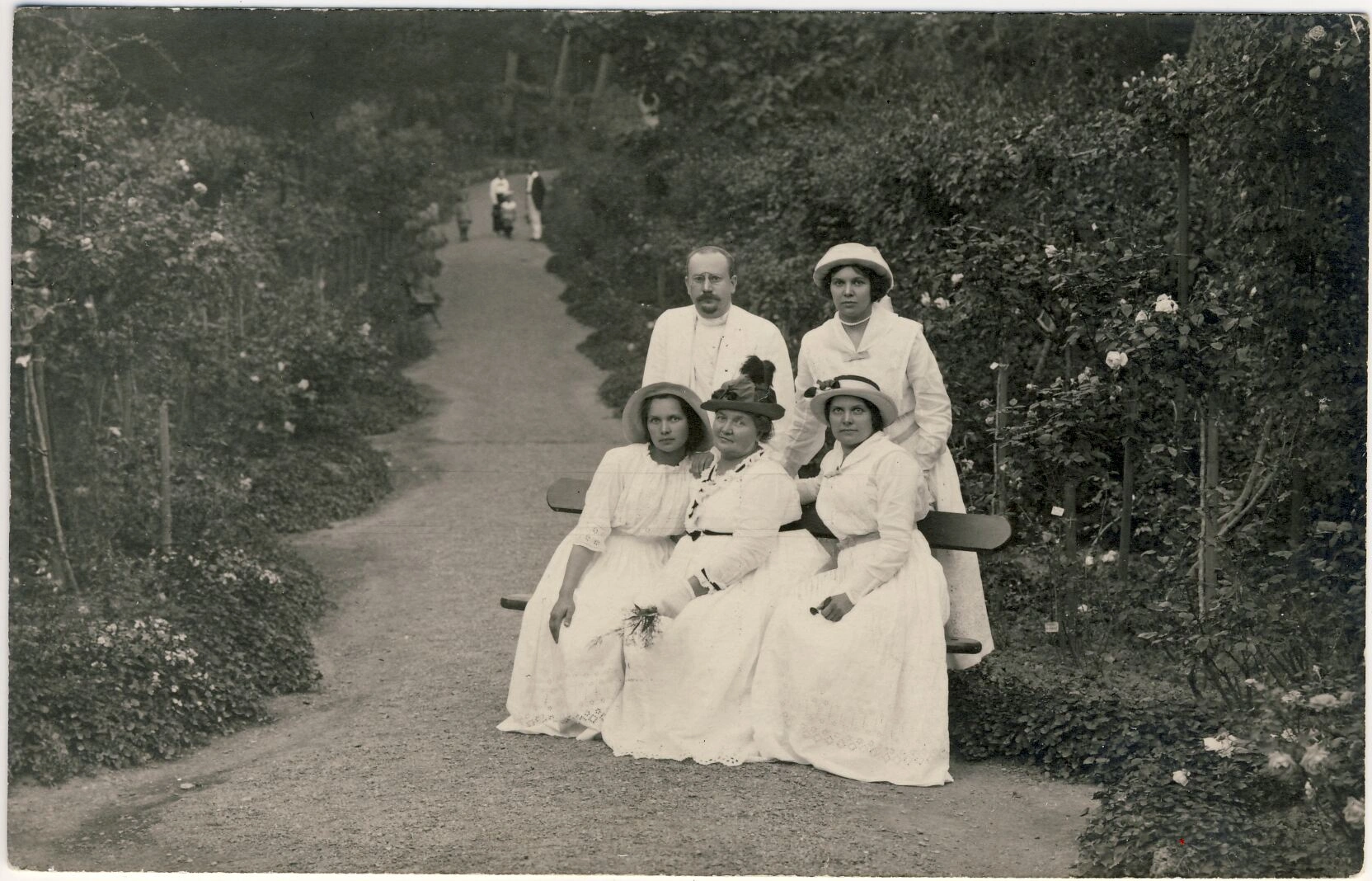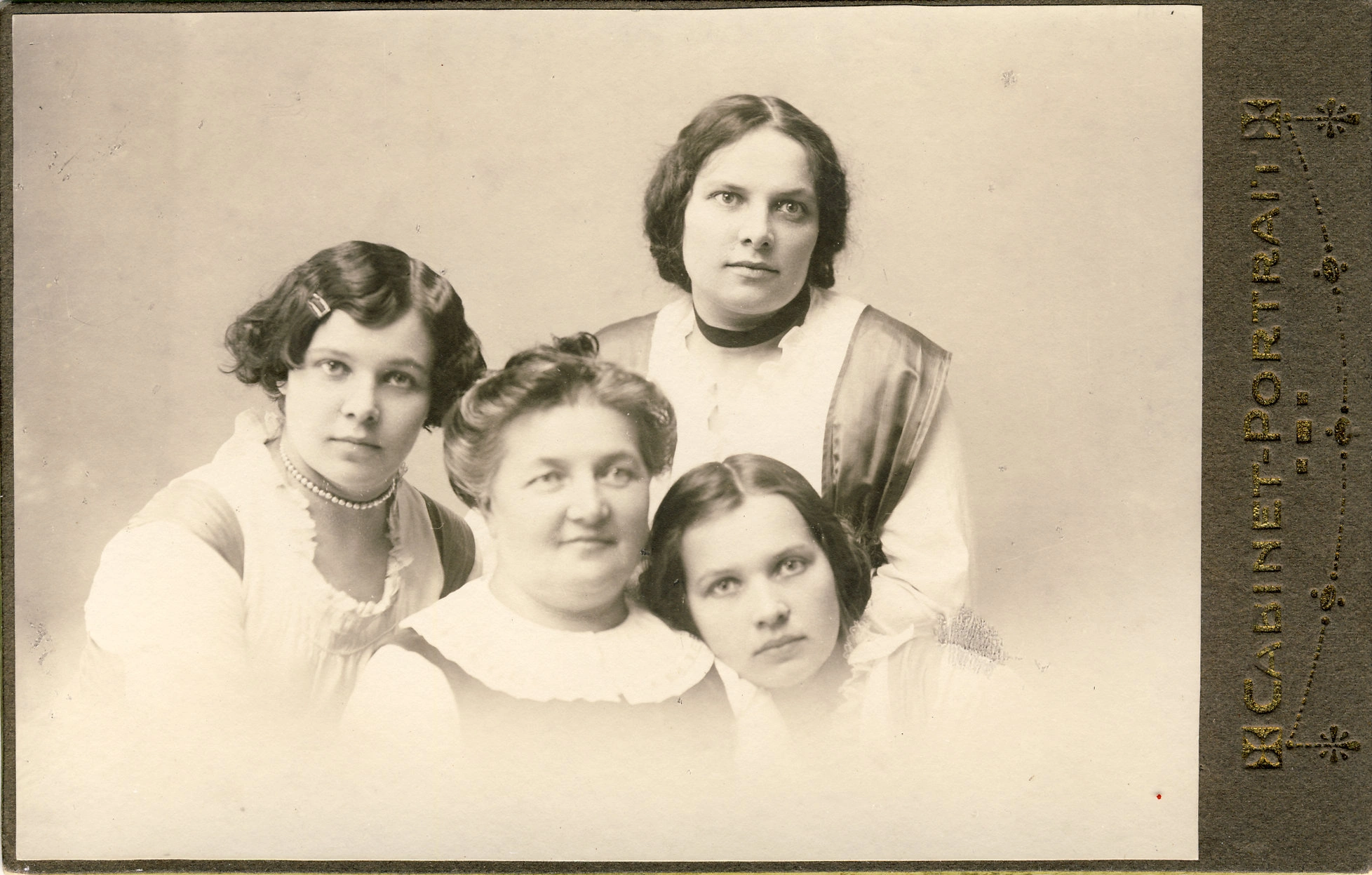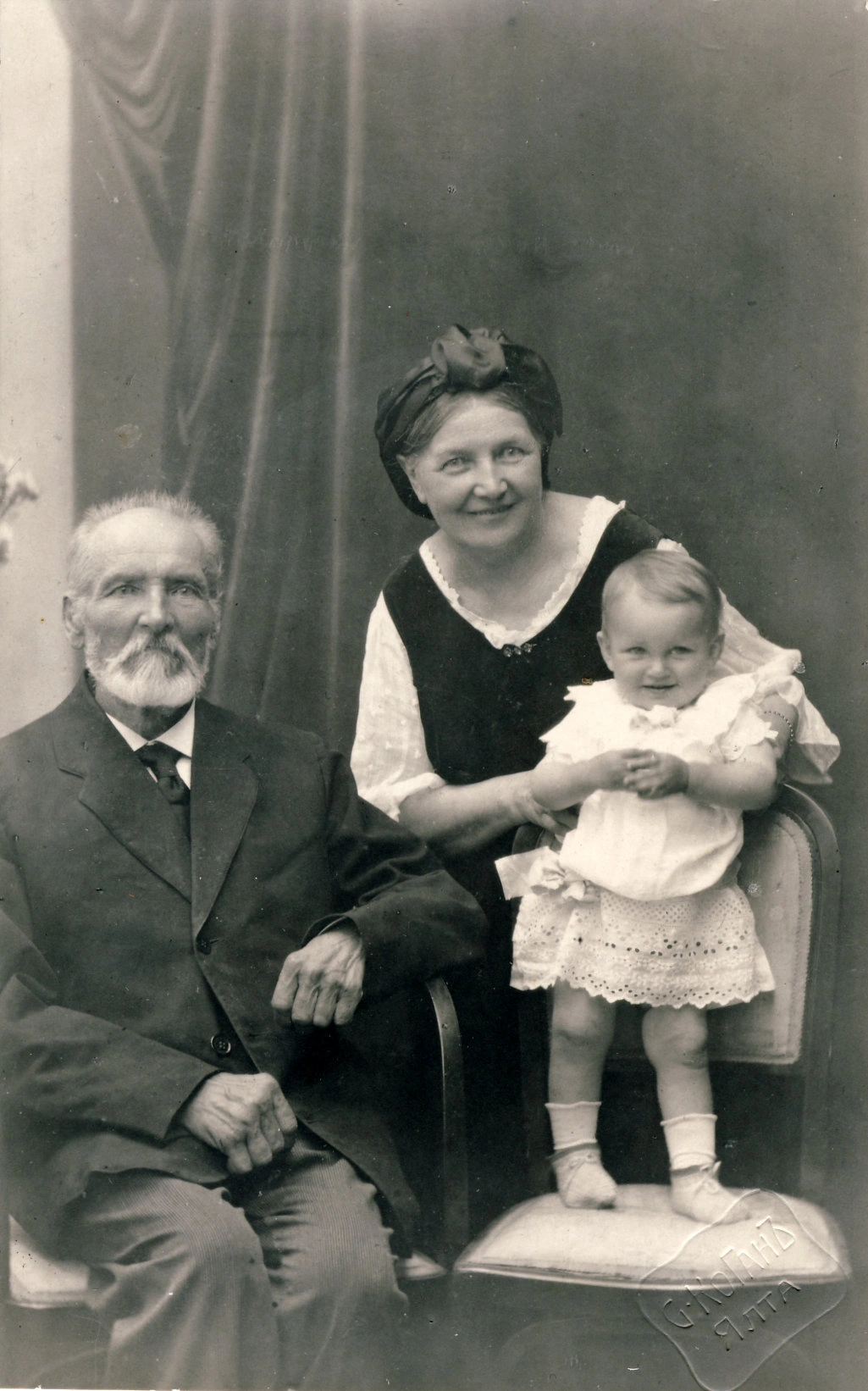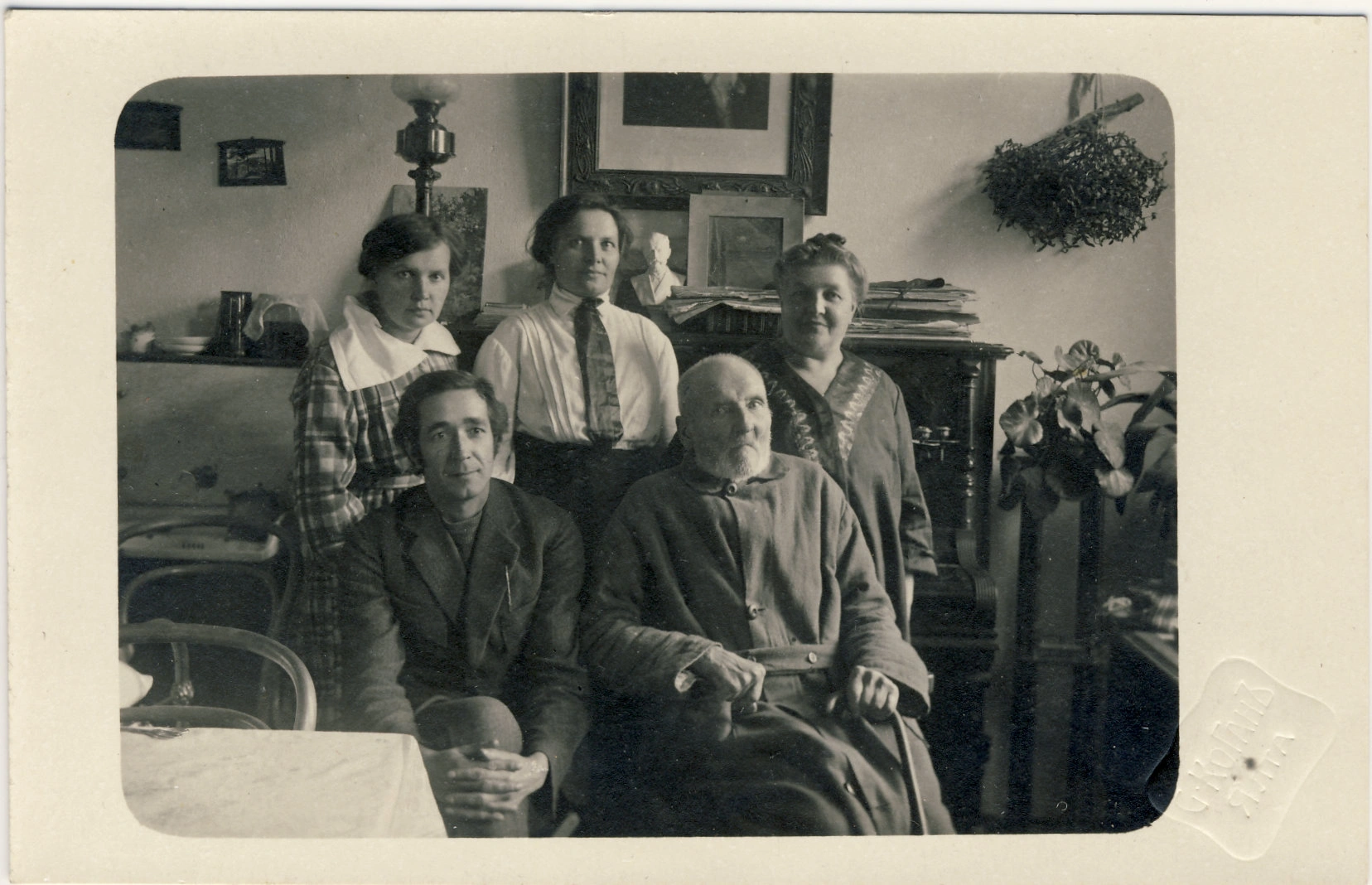
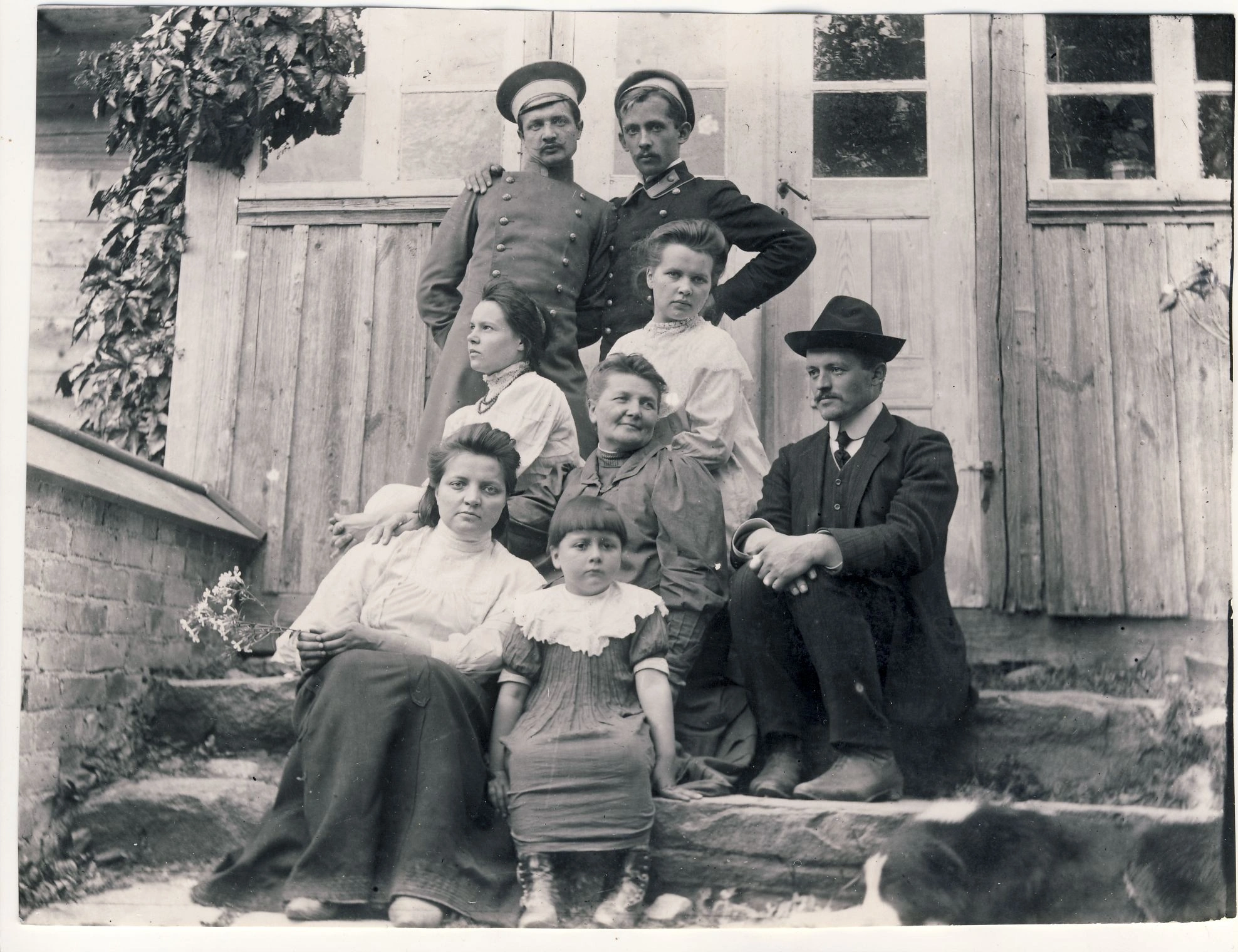
„(…) to break away and push forward towards the light, towards freedom – this is the most important task of life. (…).“
– Liudvika Didžiulienė-Wife
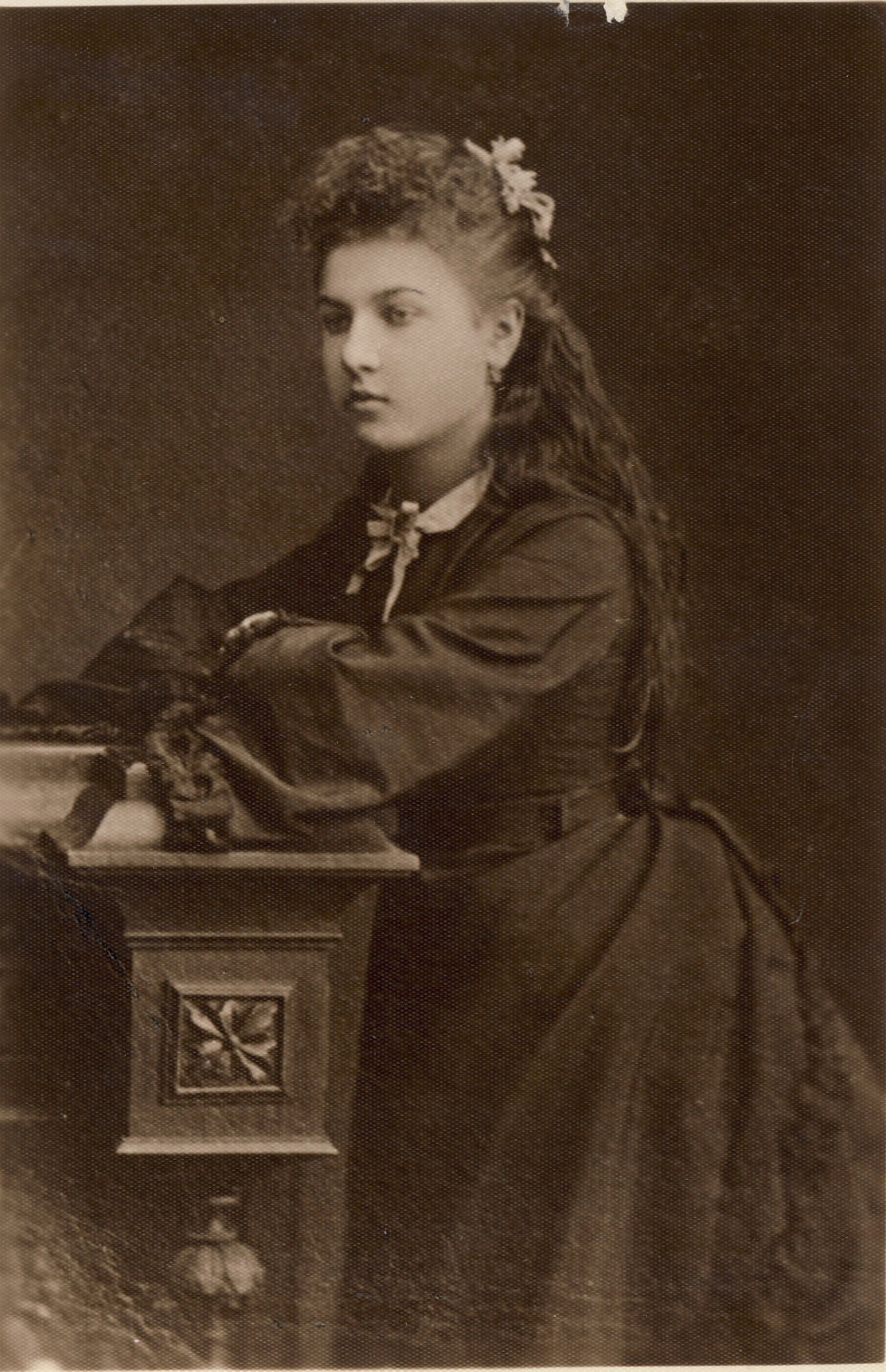
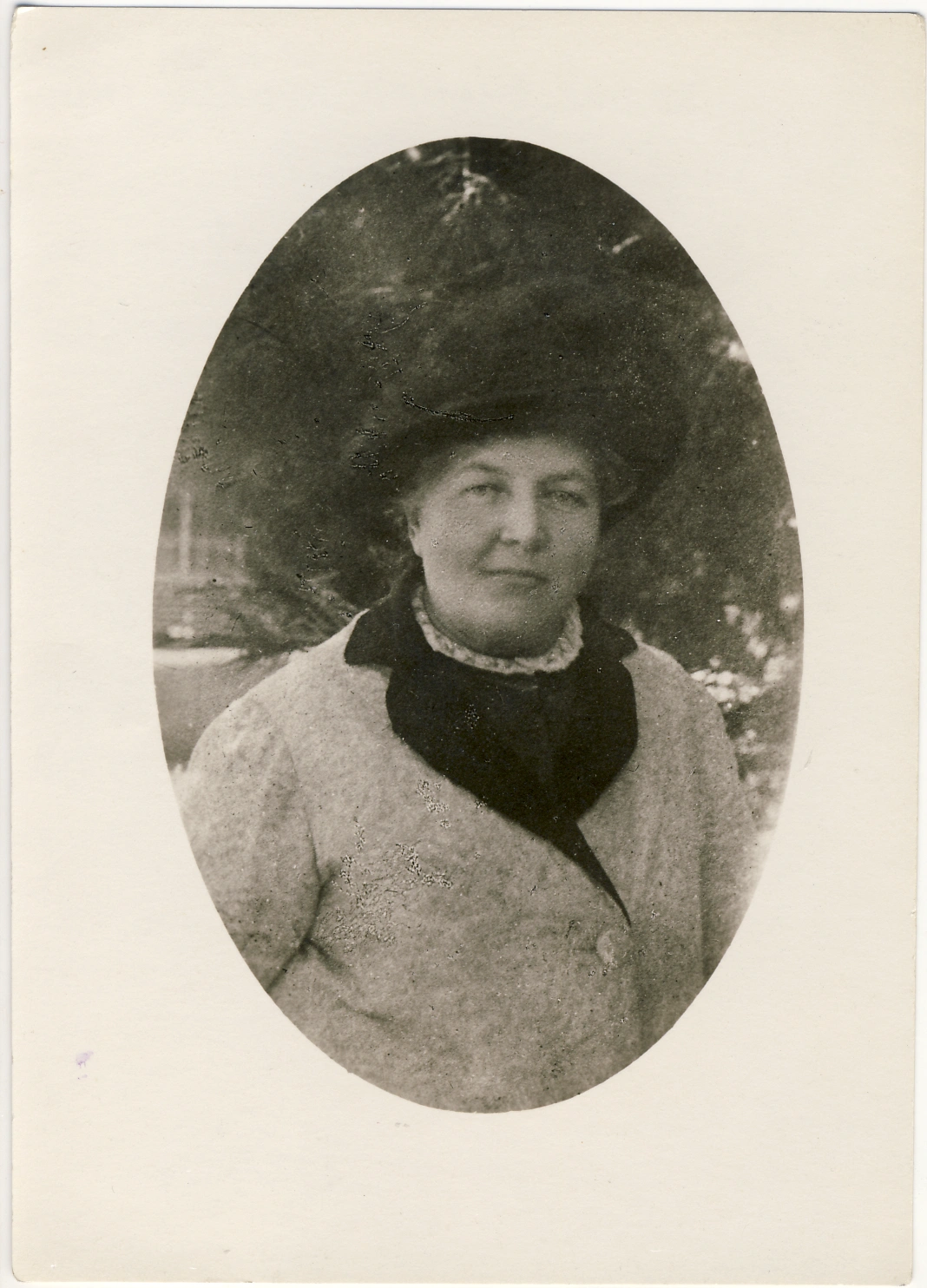
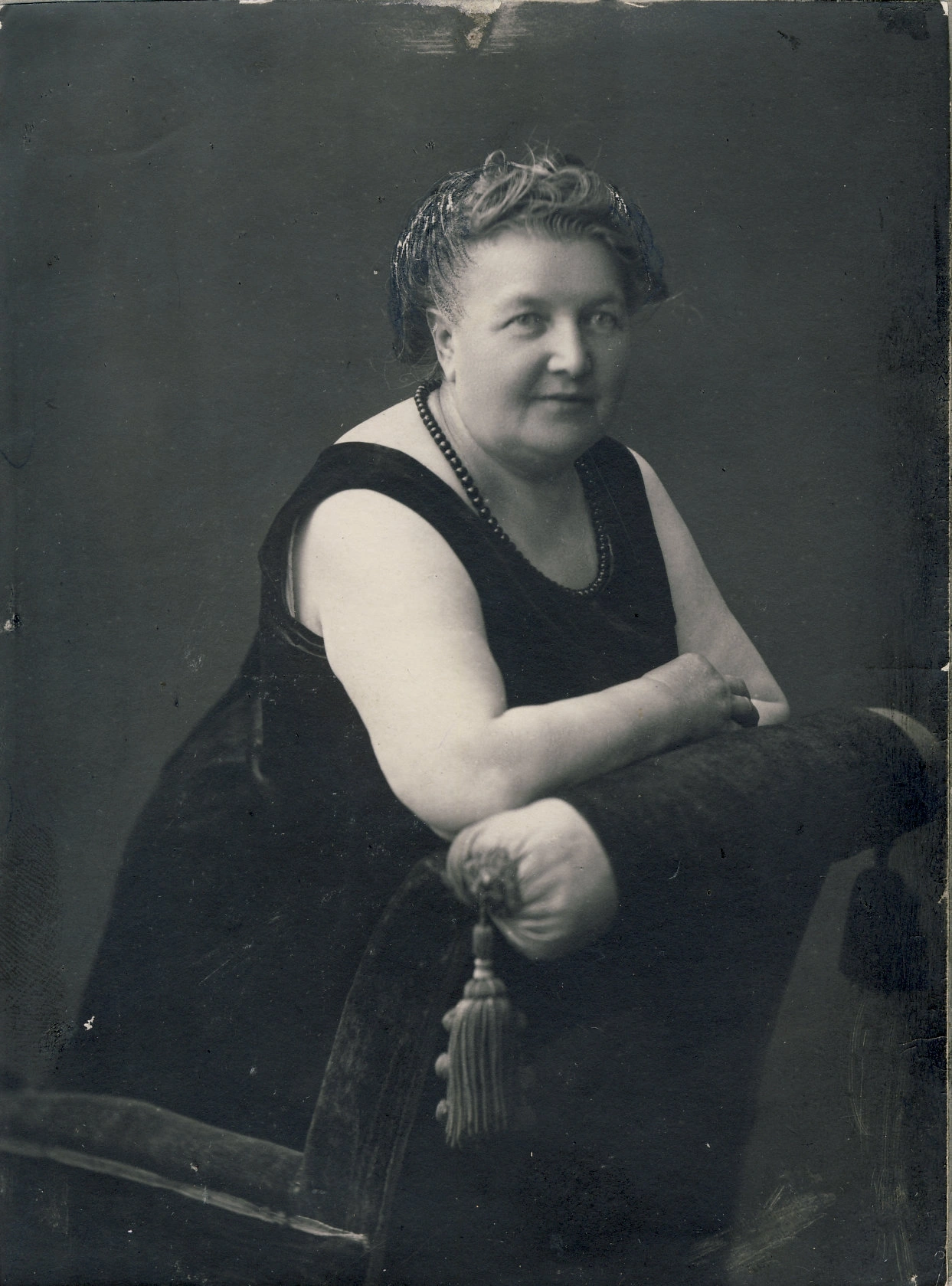
L. Didžiulienė-Žmona left a clear mark on our cultural history; she can be confidently attributed to the bell ringers of the national revival, to the brightest, most respected and memorable personalities of that time, who attracted us with their patriotism, altruism, and dedication to the good of Lithuanianness.
– Milda Telksnytė and Vygandas Račkaitis
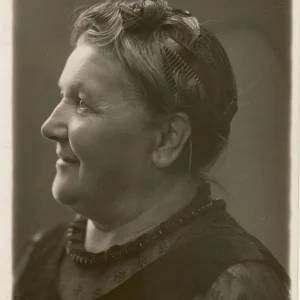
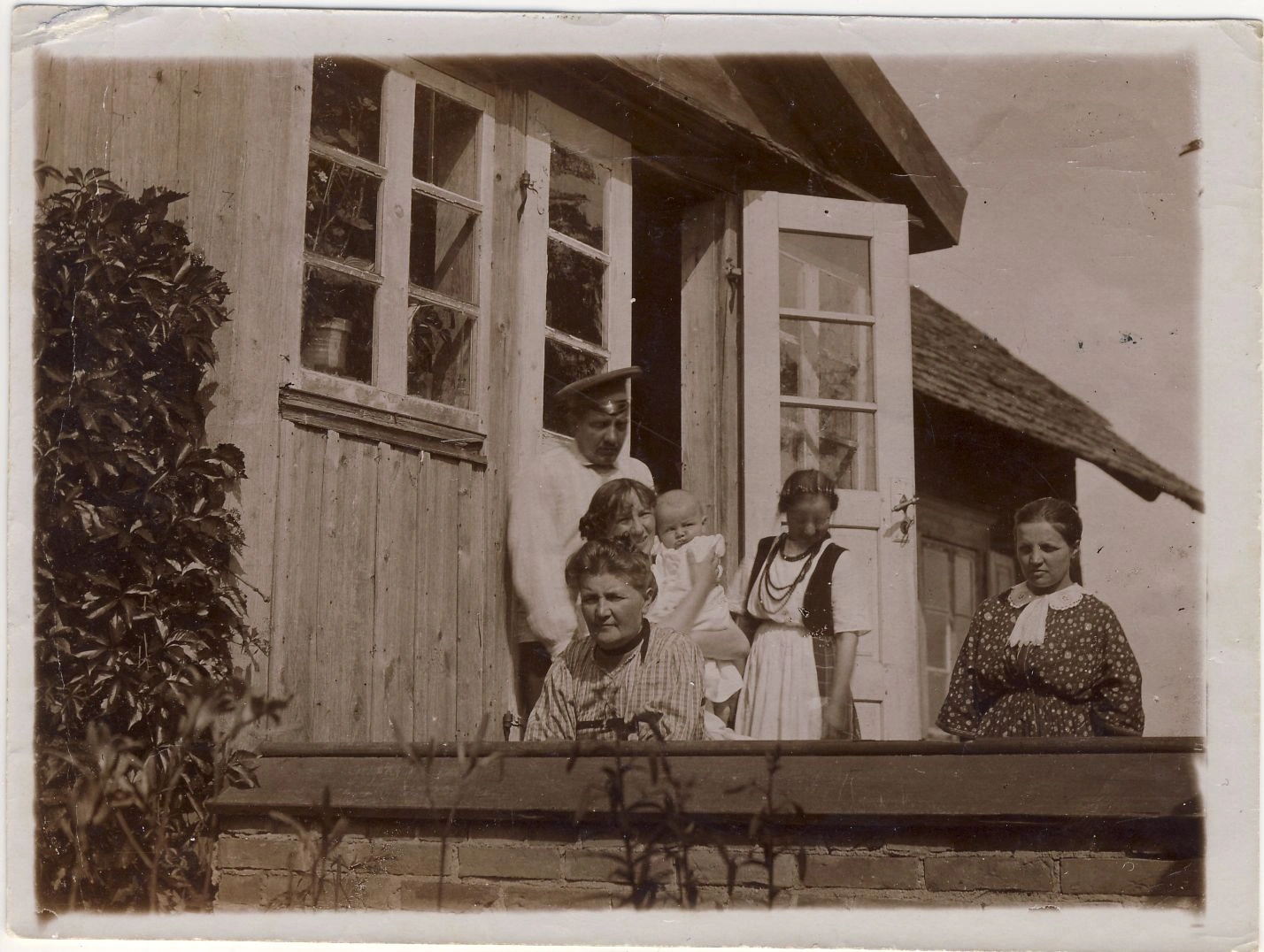
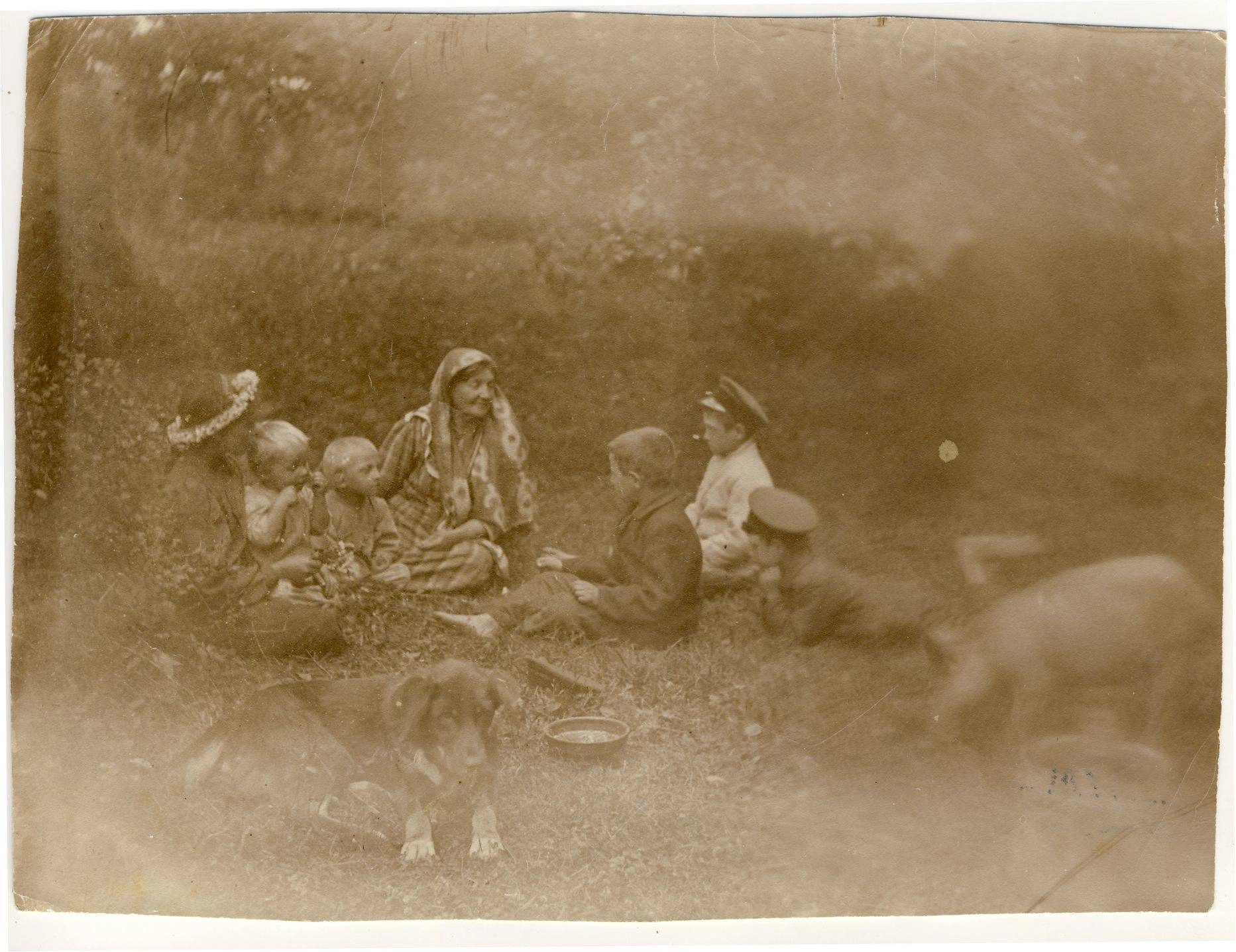
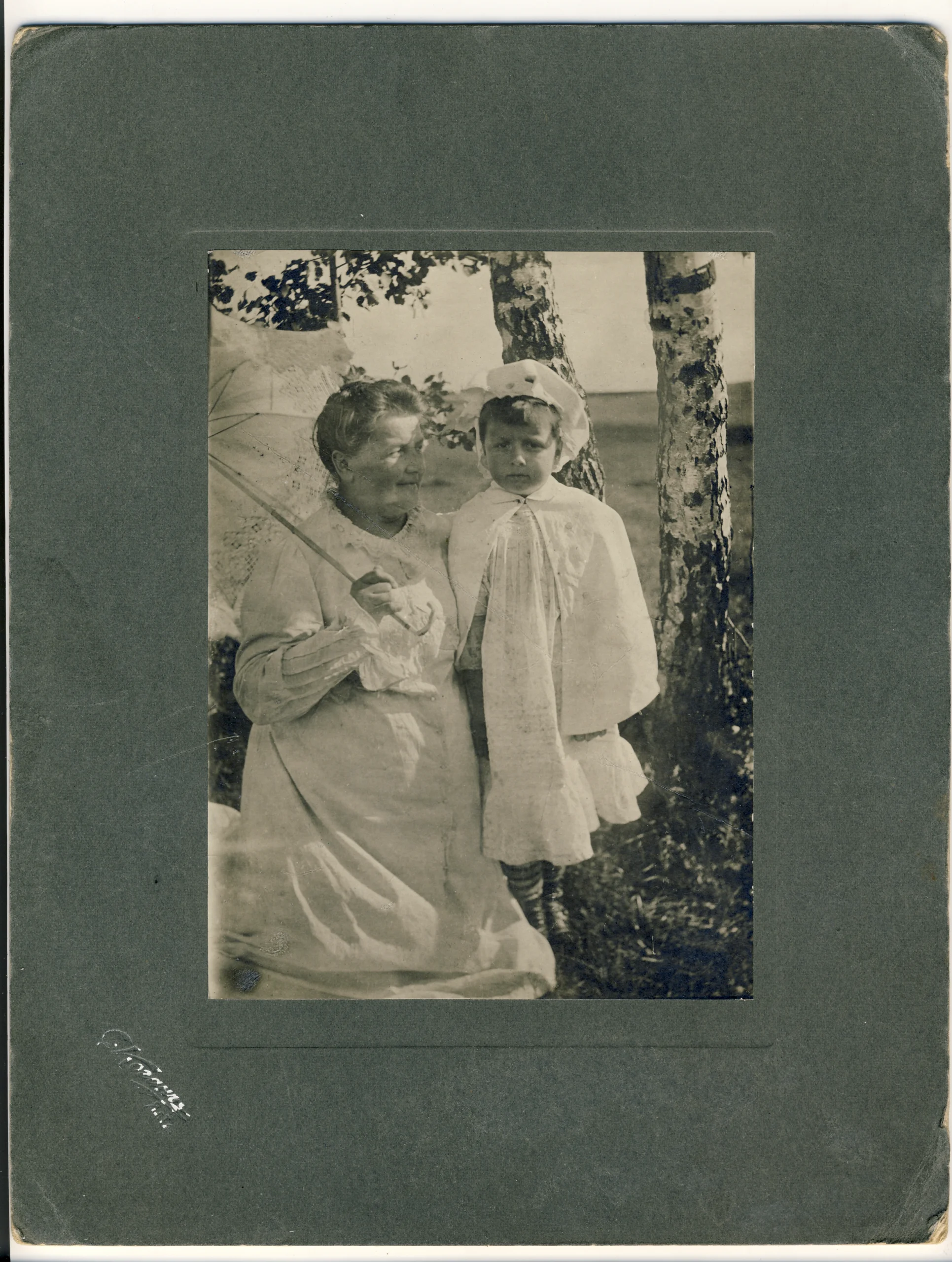
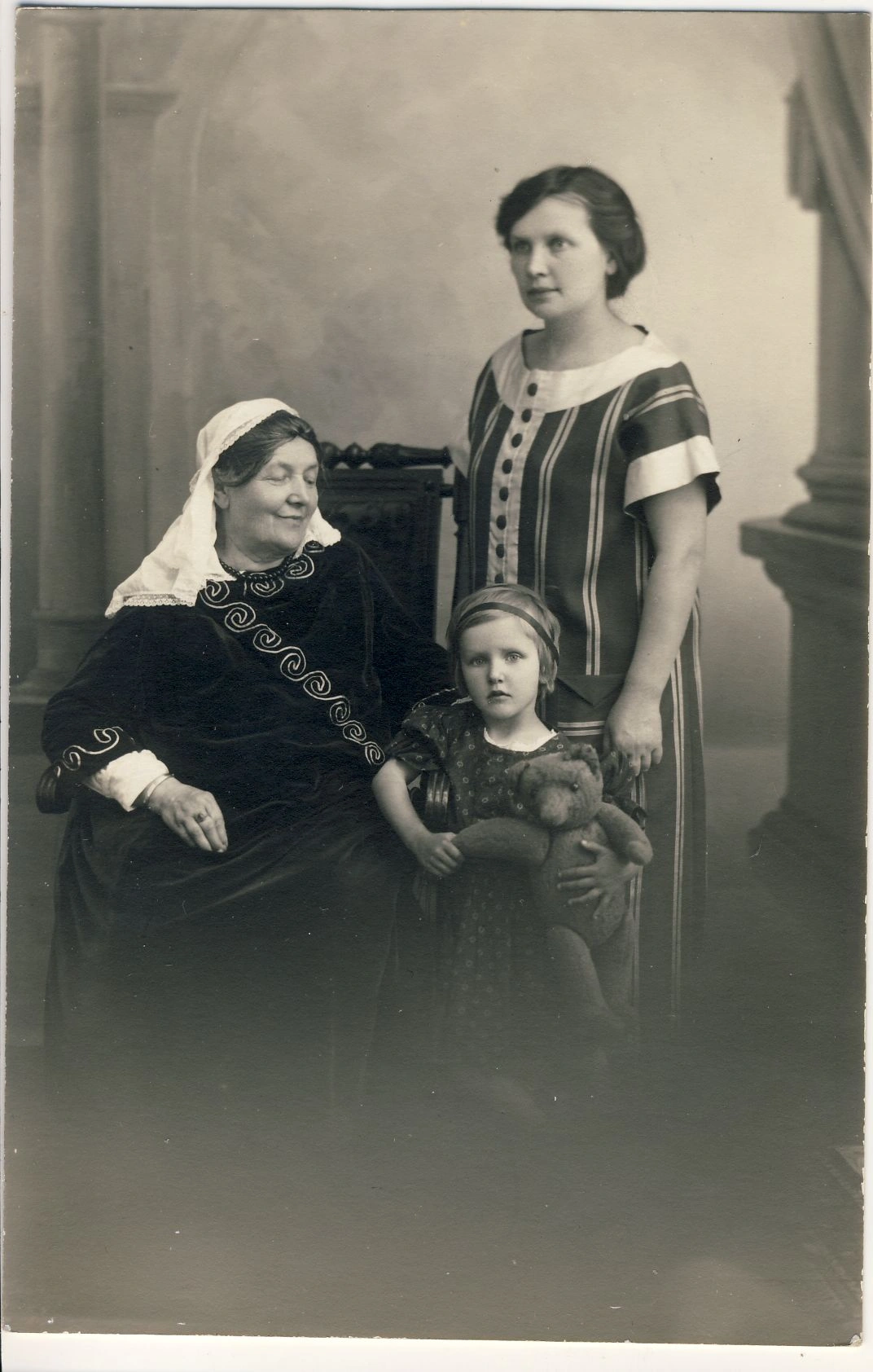
Writer and public figure Liudvika Nitaitė-Didžiulienė (pseudonym Žmona) was born on April 21, 1856 in Robliai (Rokiškis district) to the family of Antanas and Petronėlė Nitai. Her father worked as a clerk, a bailiff, and a steward in various estates in the Rokiškis region. From 1859, the girl grew up in Vaitkūnai (Rokiškis district), on the shore of Lake Dviragis near the Salų Manor, later moving with her parents to Rokiškis. Liudvika learned to read and write privately. The girl knew five languages: Lithuanian, Polish, Russian, German, Latvian, and had also learned French. In her youth, she collected folklore and tried to translate poems by German and Polish poets into Lithuanian. After her father lost his job, in 1874 The Nita family moved to the Karūniai manor near Viešinų (Anykščiai district).
In 1876, she married Stanislovas Didžiulis, a descendant of an old Lithuanian noble family, bibliographer, folklore collector, and Lithuanian public figure. https://www.bernardinai.lt/2016-02-14-vienerios-tuoktuves-vasario-14-aja/. Antanas Baranauskas, Jonas Jablonskis and other intellectuals of the time visited her house. This also encouraged Didžiulienė to take up writing, although she believed that the most important thing in her life was the vocation of a woman, wife and mother. This can be seen from the pseudonym she chose. She herself distributed the Lithuanian press banned by the Tsar, organized its distribution in Aukštaitija. She collected folklore, works by Antanas Strazdas, Antanas Vienažindis and other folk poets.
In 1896–1907, while living in Mintauja with her children, she founded a dormitory for Lithuanian students – a boarding house, and took care of Lithuanian students. Antanas Smetona, Juozas Vaičkus, Juozas Tūbelis, Konstantinas Jasiukaitis, Justinas Vienožinskis and other future figures of Lithuanian culture, society and politics lived in the boarding house while studying in Mintauja.
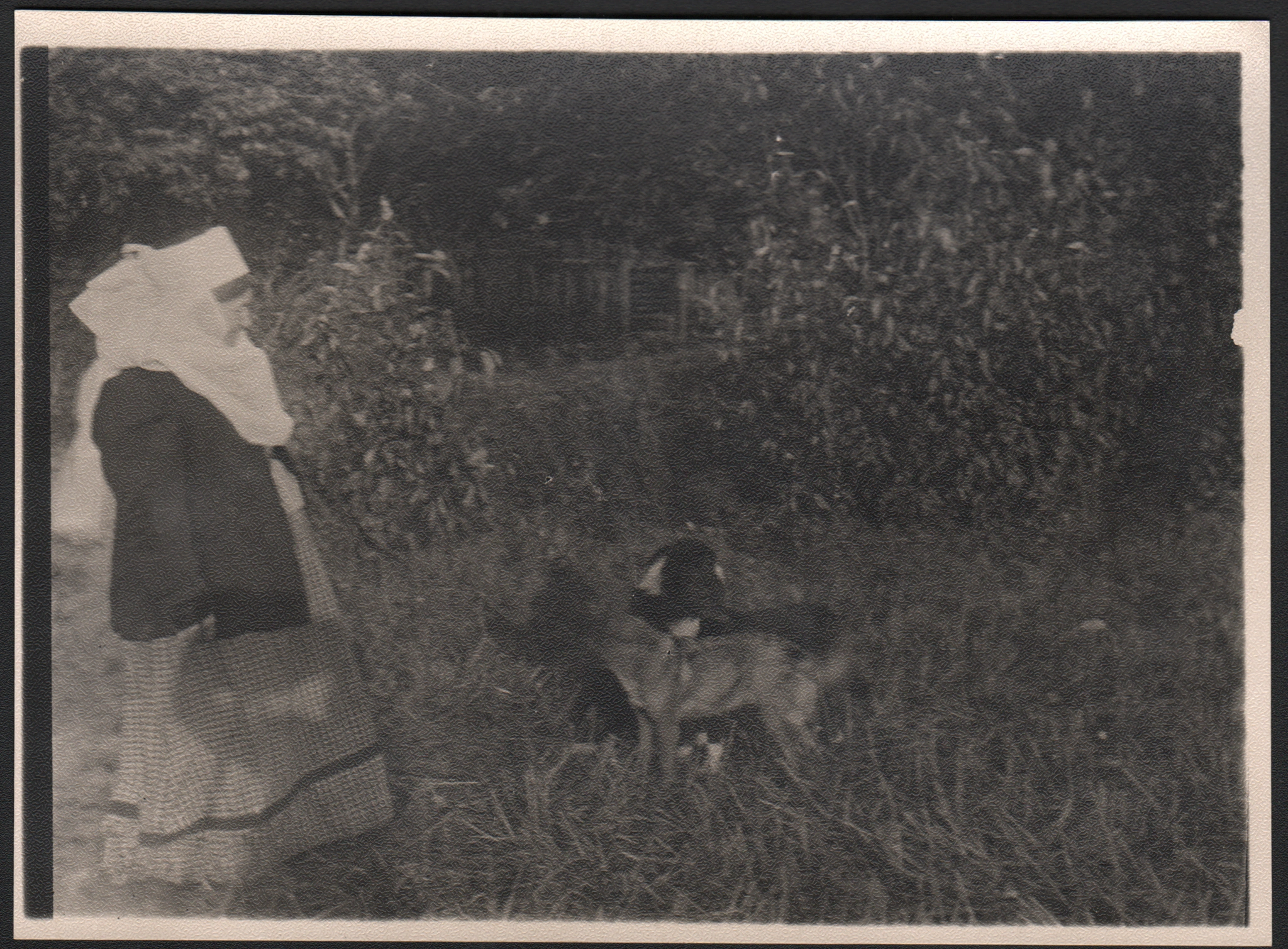
In 1907–1915, she lived in Griežionėlės. After her husband and sons Antanas and Vytautas were convicted and exiled, she took care of the estate alone, collected folklore - wrote down folk songs and customs. When the war began, she went to her daughter, and in 1915–1924 she lived in Yalta. Her husband also arrived there in 1917. In 1924, L. Didžiulienė returned to Lithuania with her husband, initially living in Panevėžys, but not receiving respect and attention, due to her failing health, she remained in Griežionėlės until the end of her life. Juozas Tumas-Vaižgantas, who visited her before her death, took over L. Didžiulienė's last works in manuscript and ensured their survival and publication.
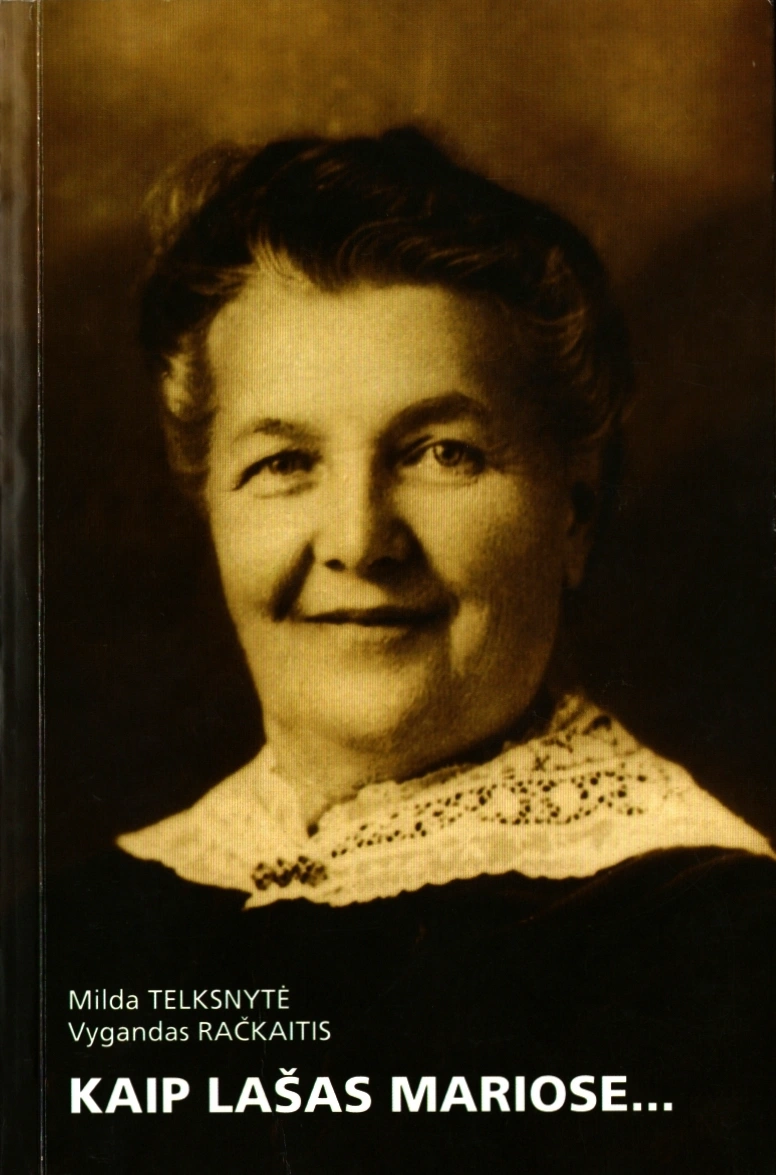
In 2004, a biographical sketch about the first Lithuanian female fiction writer, educator, and patron of booksellers, L. Didžiulienė-Žmona, was published – „Like a Drop in a Lagoon…“ by M. Telksnytė and V. Račkaitis.
Died on 25 October 1925 in Griežionėlės (Anykščiai district). Buried in the Padvarninkai (Anykščiai district) cemetery. A 6.5-metre-high concrete monument was erected on the grave (author – sculptor Bernardas Bučas, 1932) with a bronze bas-relief and incised inscriptions on four sides of the pedestal, on both sides – two excerpts from L. Didžiulienė's letters: "„I am happy when I can wipe away the tears of at least one / person. It is not much, it is like a drop in the ocean… But if / each of us wiped away the tears of / at least one poor person – it would be / much easier to live. / Wife“" and "„Fate has given me this task – / I will raise children, I will educate young people, / I will suffer as long as I can. In a few years / I will rest, if not / on earth, then at least / underground.“ / From a letter from the Wife“". On the facade side of the pedestal there is an inscription: "„Eternal rest / Liudvika Didžiulienė / *Wife* / 1856.4.21–1925.10.25“", in the back - "„Rest / dear, our best / mother / having borne so much suffering and hardship / during your life. / Your children“.
Internet links:
Ludvika Didžiulianė
Vilmantas Krikštaponis. Awakener of the Lithuanian Nation
Feliksas Mačianskas. L. Didžiulienė-Wife's Life Intentions
Liudvika Didžiulienė, who wrote during the time of Žemaitė, Šatrija Ragana, Lazdynų Pelėda and another insignificant writer, did not go far with her literary legacy. She has not yet reached the heights of the aforementioned writers, either in terms of style, form or content. But if we remember her education and the conditions in which she had to create fiction, we will have to bow with respect to her diligence, aspirations and dedication.
– Stepas Zobarskas
1892 – "Son of the Fatherland" (short story).
1893 – "For the Motherland!" (short story).
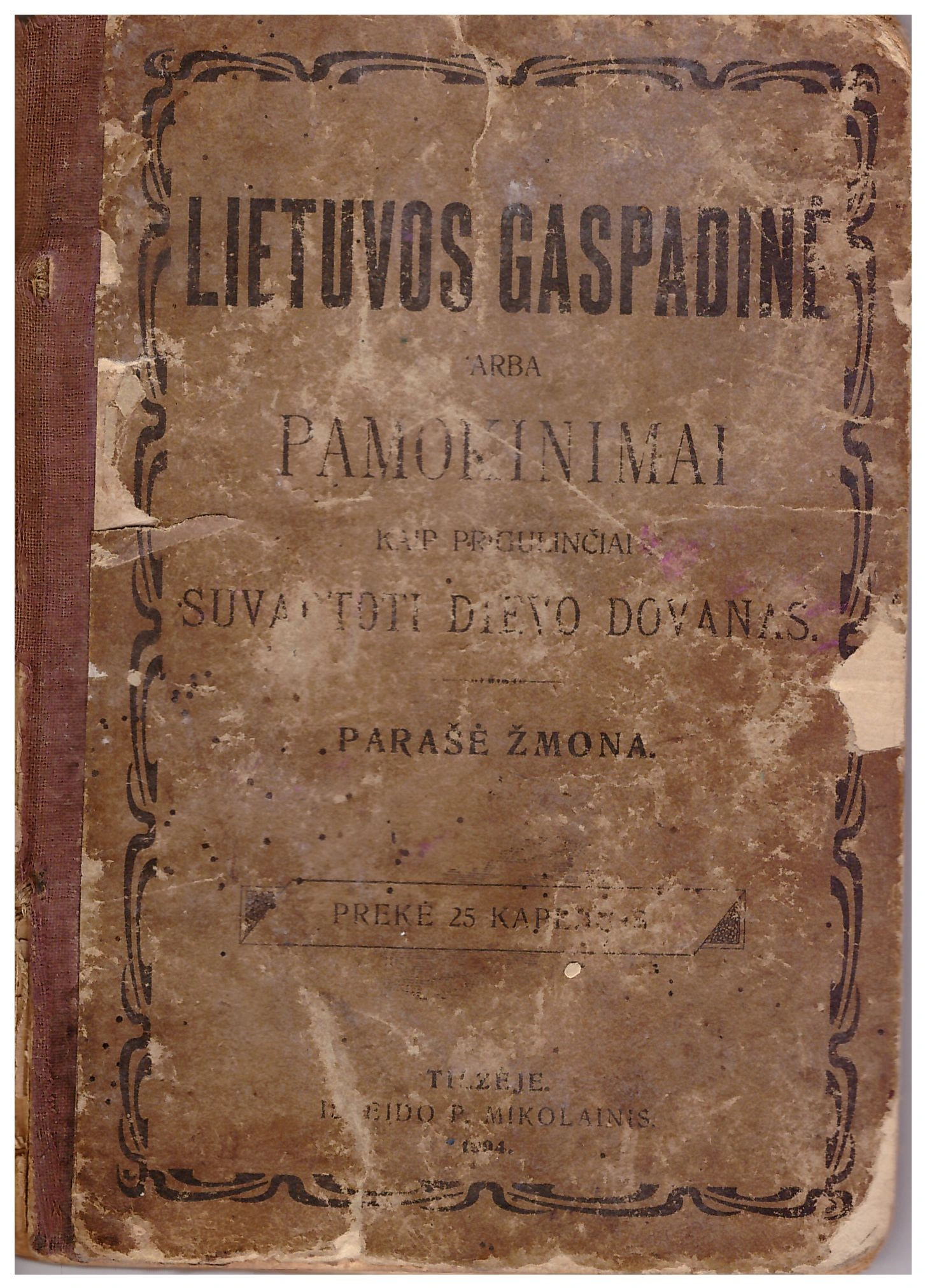
In 1893, Liudvika Didžiulienė-Žmona's gastronomy book in Lithuanian, „Lietuvos gaspadinē, or Instructions on How to Consume God's Gifts for the Lazy,“ was first published in Tilsit. L. Didžiulienė-Žmona's recipe book is interesting both as a bibliographical rarity and as an ethnographic document of Lithuanian everyday life spanning over a hundred years.
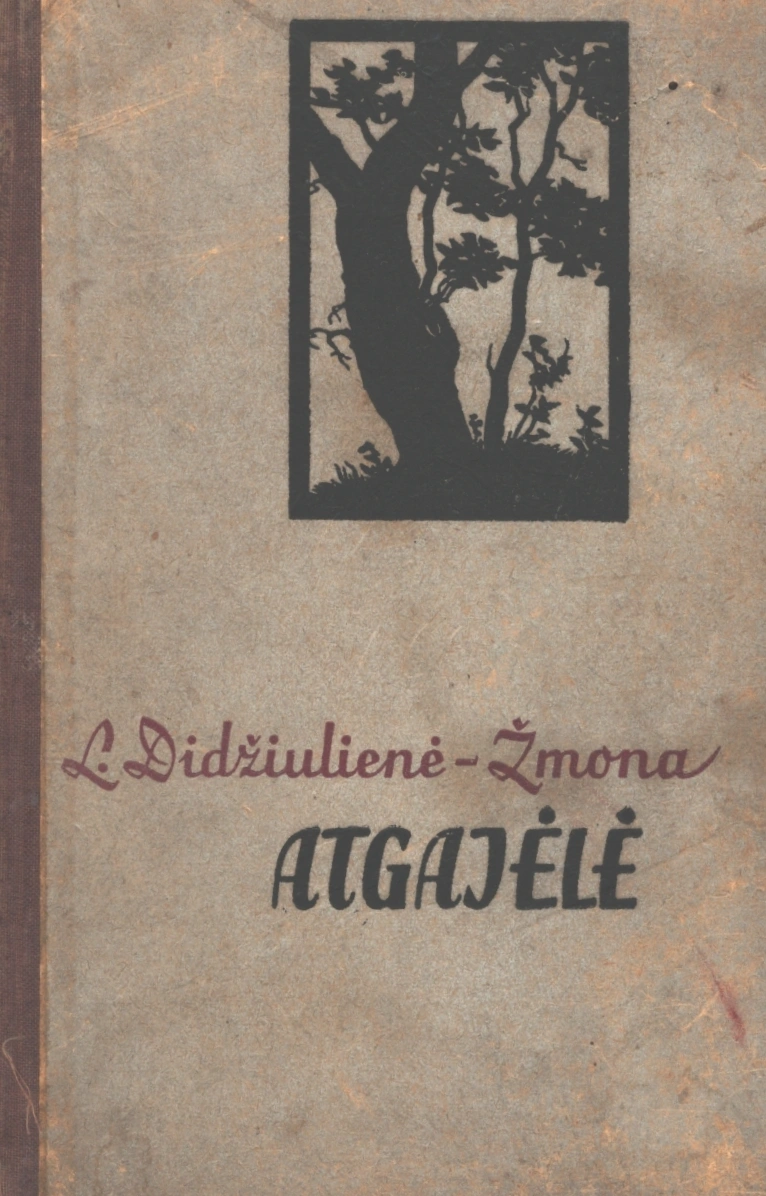
1893–1896 – "Not According to George's Hat" (a short story that remained in manuscript and was first published in "Raštai" in 1996), "Atgajėlė" (a short story published in the USA in 1904).
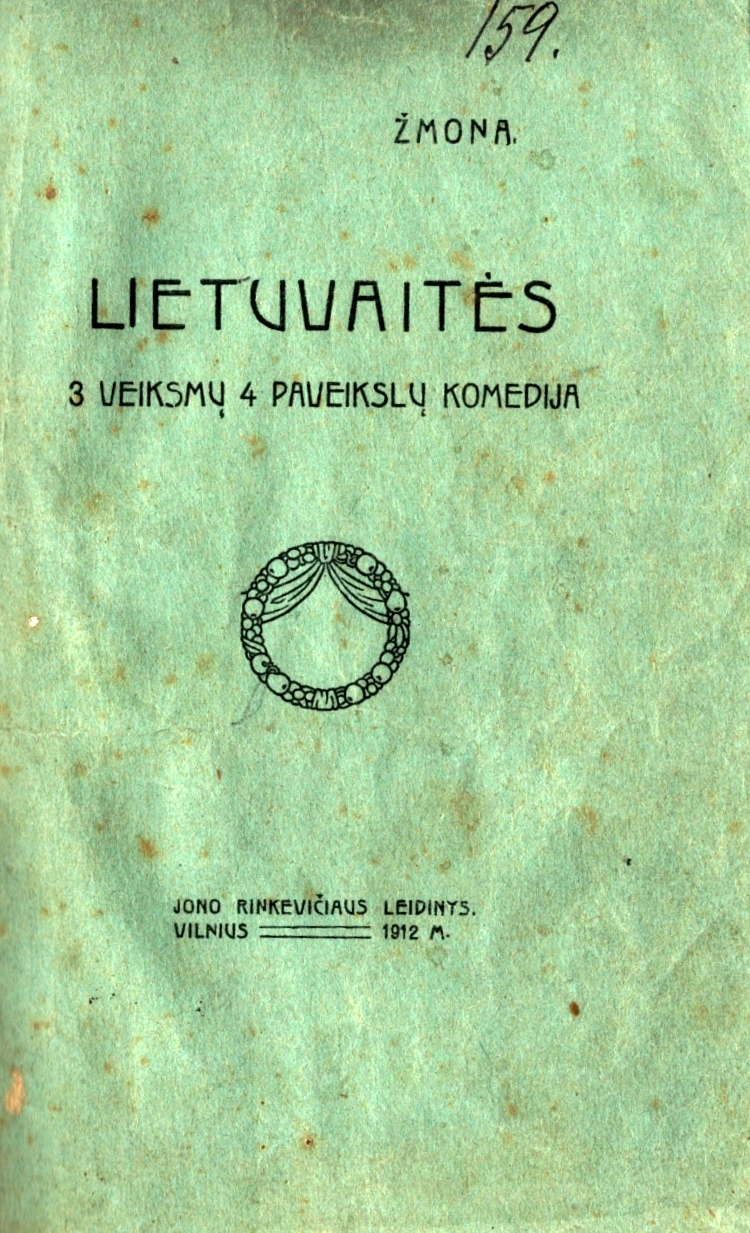
1899 – "Lietuvaitės" (play written and performed in 1899, published in 1912).
1899–1907 – „The Wolf“ (a stage play for children, first published in „Raštai“ in 1996), „Hurry Up“ (a play, published in 1915), „A Joke for a Cat – a Punishment for a Mouse“ (a play, first published as „A Laugh for a Cat – a Cry for a Mouse“ in 1957), „Evenings“ (a play, published in 1957), „For a Plot of Land“ (the manuscript of the play was lost, given to the printer after the outbreak of World War I), „The Sorrows of Yuzuko“ (a short story, published in 1917).
1901 – "Sweet Love" (a play first published in "Raštai" in 1996).
1905 – „The Breed of Thieves“ (short story), „The Second Part of the Novel“ (short story), „Strange Kinsmen“ (short story, written around 1905–1907, after the manuscript was lost, restored around 1915–1924, first published in „Raštai“ in 1996).
1907 – "Magaryčios" (short story).
1915–1924 – „In the Vineyard“ (short story, first published in 1957), „Chamala“, „Kunigas Juozapėlis“, „Pietų saulelė visis ligas gydžia“, „Apleista saklia“ (short stories, first published in „Raštai“ in 1996), „Doukite man laisvės!“ (play, written in Russian, translated into Lithuanian by Juozas Tumas-Vaižgantas, published in 1957).
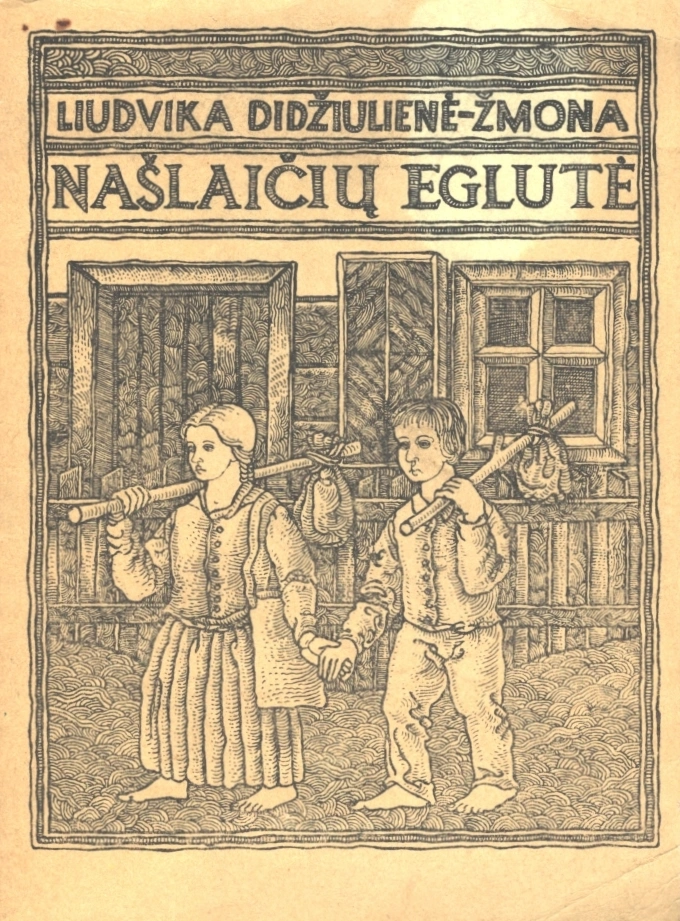
1919 – "The Orphan's Christmas Tree" (a short story written and published in Russian, translated into Lithuanian by Vanda Didžiulytė), "Children of the Exiles" (a short story written and published in Russian, translated into Lithuanian by Vanda Didžiulytė).
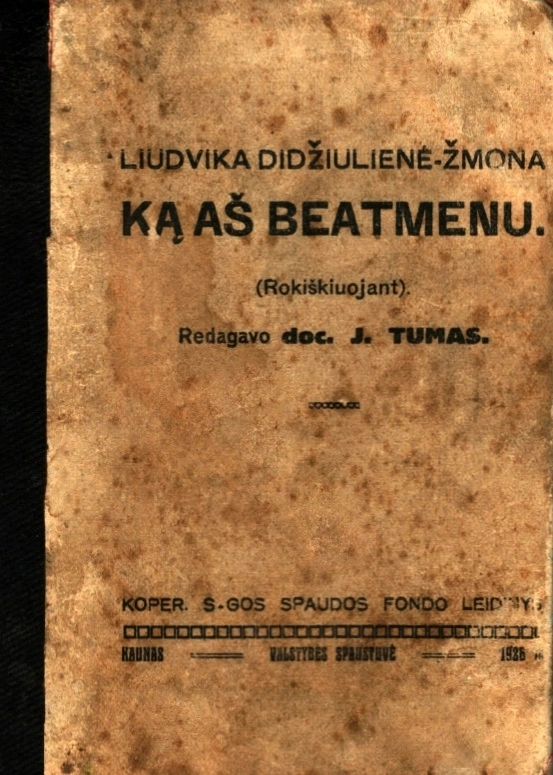
1926 – "What I Remember" (memoirs).
The manuscripts of her drama "The Road Repairer", the play "But Only Above" and several other works were stolen in 1915 on a train on the way to Crimea. It is known that she had written several dozen pictures of Crimea and sanatorium life, but they were not published, and the manuscripts have not survived. Her articles, signed with the pseudonym Grazhdanka, were published in the Crimean press.
Several of L. Didžiulienė-Žmona's publicistic texts have survived: about Valerijonas Ažukalnis, Antanas Strazdas, Latvian and Lithuanian national relations, and the Crimean sanatorium. Throughout her life, researching and collecting A. Strazdas's creative legacy, preparing it for publication, L. Didžiulienė attributed several dozen folk songs to this priest and poet, the authorship of which has not yet been confirmed.
It is a pity that not all of her writings have been published, and even those that were published before the war are now difficult to obtain. It would be good if someone would take care of publishing them; for a literary historian and anyone who otherwise loves the literature of the past, this would be a great gift.
– Stepas Zobarskas („Trumpet“, August 20, 1931)
1984 – "Orphan's Christmas Tree" (short stories).
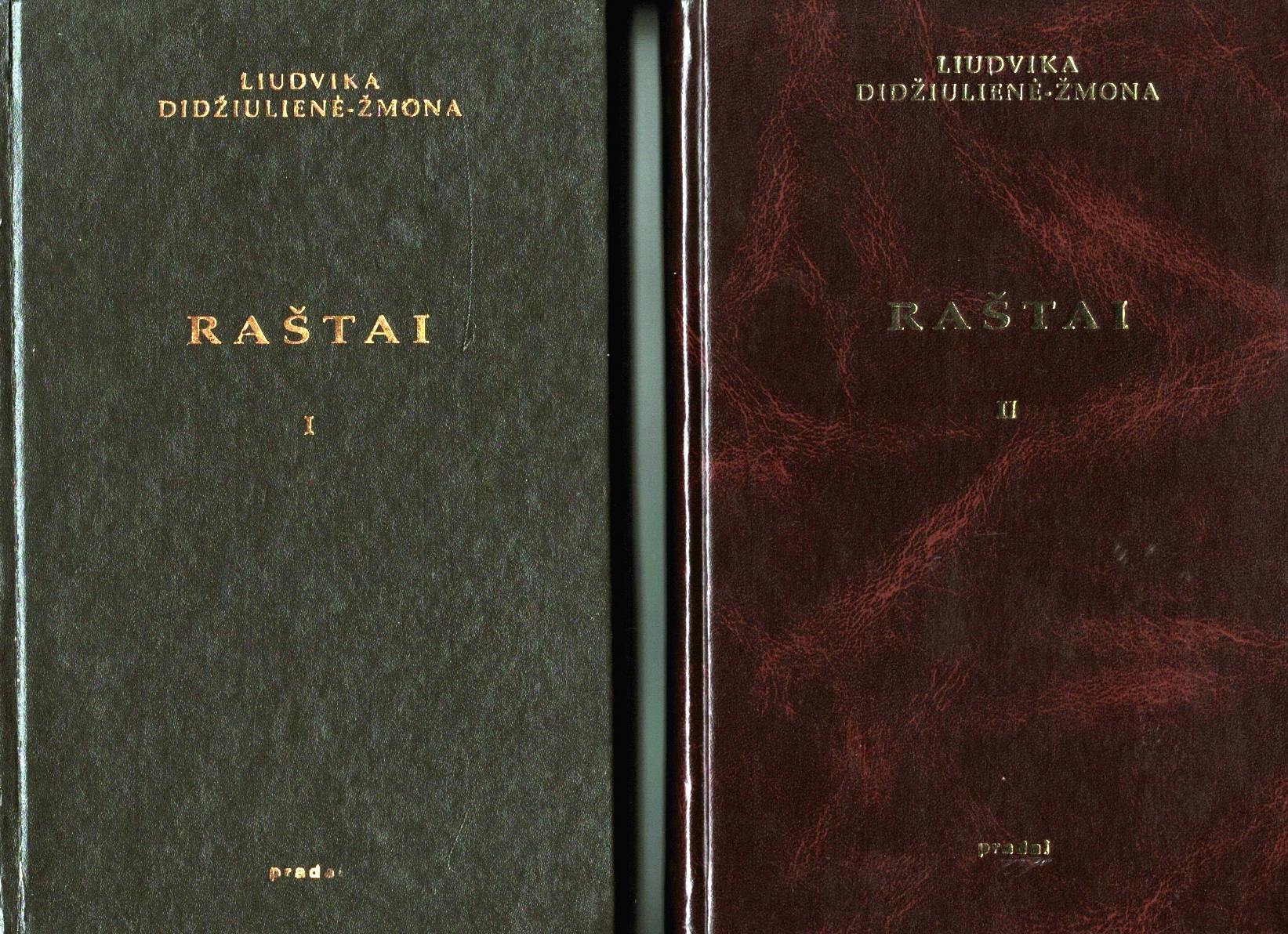
1996–1998 – „Writings“ (two volumes) of the creative and epistolary legacy of L. Didžiulienė-Žmona.
Only after regaining independence did the opportunity arise to introduce readers to the creative legacy of the first Lithuanian fiction writer L. Didžiulienė-Žmona. This was done by the first laureates of the Anykščiai Teresė Mikeliūnaitė Cultural Prize – Milda Telksnytė and Vygandas Račkaitis, who collected the works and letters of the first Lithuanian prose writer, playwright, and public figure Liudvika Didžiulienė-Žmona scattered in various manuscript repositories and old publications, which were published in two volumes of Writings. It is as if the words of S. Zobarskas, written in the newspaper „Trimitas“ on August 20, 1931, have come true.
My knowledge is meager, my wealth is meager, my works are meager, I have nothing to boast about. Although I love our dear Lithuanian language and its literature with all my heart and soul, I have been given little here to be able to do anything good and useful for it. I am collecting songs, riddles, proverbs, spells, legends little by little; I am also collecting knowledge about Lithuanian books, perhaps I will succeed in compiling some kind of Lithuanian bibliography.
– Stanislaus Felix the Great
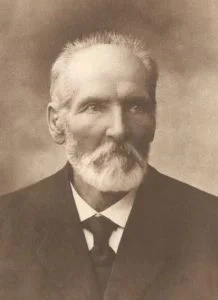
Bibliographer, folklorist, educator, bookseller Stanislovas Feliksas Didžiulis was born on November 14, 1856 in Griežionėliai village (Anykščiai district). Date of birth according to the new calendar is November 26. (The date of birth is determined according to the baptismal records of the Anykščiai parish. The date of birth according to the new calendar is November 26, 1856. Since the beginning of the 20th century, information sources have erroneously mentioned the date of birth as November 20 or 26, 1850).
In 1860–1863 he studied at the Panevėžys Real School, and after completing three grades he returned to his homeland. Later, the young man was privately educated by the Andrioniškis priest Antanas Viskantas, who himself was well-read and loved books. From infancy until 1906, S. Didžiulis lived in his hometown of Griežionėlės, and in 1877, after starting a family, he managed the farm inherited from his deceased father - the source of livelihood for a large family.
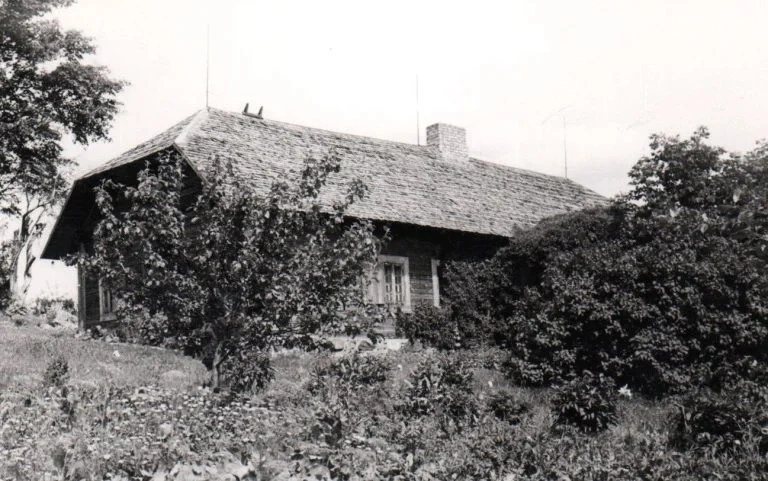
In the 19th century, the Didžiulis family estate in Griežionėlės became the center of illegal Lithuanian printing and booksellers. S. Didžiulis closely collaborated with booksellers Jurgis Bielinis, Kazimieras Ūdra, Anykščiai region booksellers Jonas Šaučiūnas, Juozas Mickūnaitis, and booksellers of Lithuania Minor. He was a member of the Lithuanian Literary Society operating in Tilsit, financially supported the St. Petersburg charitable Lithuanian and Samogitian Society, and helped distribute the press for the famous Garšvių Booksellers Society, operating in 1885–1895.
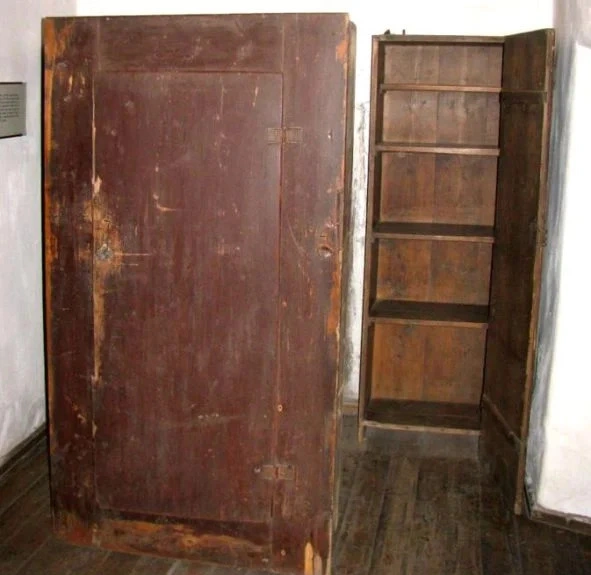
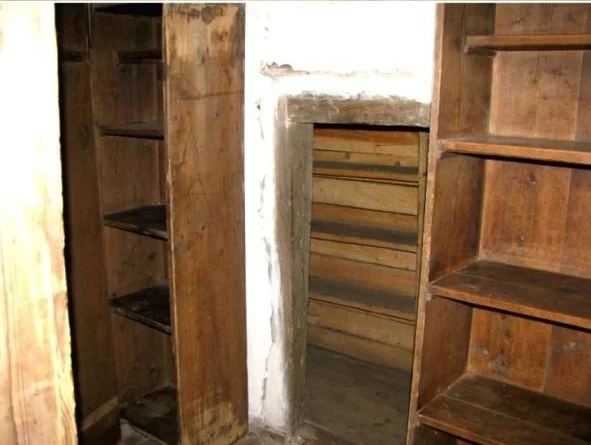
Upon the complaint of his neighbor K. Šadzevičius, gendarmes often searched his house, and S. Didžiulis's library was sent to St. Petersburg (Russia) for censorship, but returned two months later, with only a few volumes confiscated. Stasys Jasevičius (Juocevičius) from Grumbiniai village (Anykščiai district) had made a three-compartment cupboard in Didžiulis' house, which hid a storeroom of banned books. This is the only book hiding place in Lithuania that has survived to the 21st century.
After the ban on the Lithuanian press was lifted in 1904, S. Didžiulis was preparing to open a bookstore and stationery warehouse in Anykščiai, but as a person disloyal to the tsarist government, he did not receive permission from the authorities.
The revolution that shook Russia in 1905 raised Lithuanian hopes for liberation from the tsarist empire and accelerated the national movement. With the help of the press, the Didžiulis actively participated in the social democratic movement. In 1906, S. Didžiulis and his son Antanas were arrested, but temporarily released on bail. On February 18, 1906, a search in Griežionėlės found a hectograph and handwritten texts of appeals, appeals of the Lithuanian Social Democratic Party, and political pamphlets directed against the tsarist government. In 1908, S. Didžiulis and his son Antanas were exiled to the Irkutsk Governorate, and a few years later, S. Didžiulis was allowed to move to Kansk (Krasnoyarsk Territory). He had to endure the hardships of exile until 1917. In 1917–1924 S. Didžiulis settled with his daughters in Yalta and underwent treatment in a sanatorium. He returned to Lithuania in 1924 after falling ill.
Died on May 19, 1927 in Griežionėlės (Anykščiai district). Buried in a separate grave in the Padvarninkai cemetery (Anykščiai district). A concrete monument symbolizing a broken oak trunk was erected on the grave, with prominent inscriptions: "„A+A / Stanislovas Giedgaugas / The Great / 1847.9.20–1927.5.19 / Ardent and persistent fighter / for the independence of Lithuania“" and other endangered (author - sculptor Bernardas Bučas, 1933), the portrait photo was ruined, restored in 2021.
Internet links:
The personal library of Stanislovas Didžiulis of Griežionėliai, a prominent disseminator of the banned Lithuanian press and bibliophile from the Aukštaitės, occupies an important place in the history of Lithuanian book culture. Although persecuted by the tsarist authorities, S. Didžiulis amassed the richest personal library of Lithuanian studies publications and managed to preserve it for future generations. Already during the period of the ban on the press, the Griežionėliai library was considered a symbol of national self-awareness by the Lithuanian intelligentsia. Its valuable legacy enriched the treasury of Lithuanian books preserved in Lithuania.
– Nijole Lietuvninkaitė
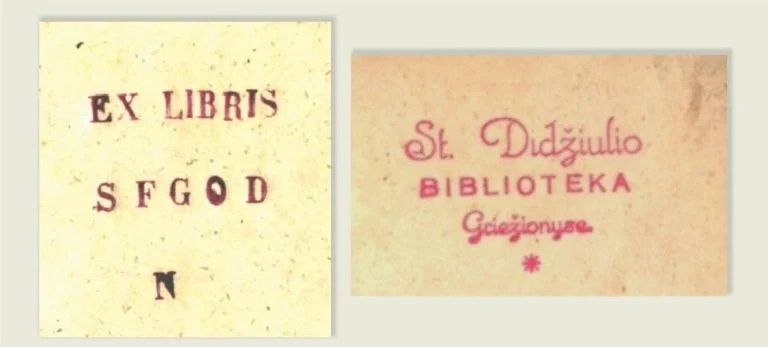
Stanislovas Feliksas Didžiulis (1856–1927) in his youth, encouraged by priest Antanas Viskantos, fell in love with books about Lithuania and Lithuanian writings, around 1870 he began to accumulate a personal library, S. Didžiulis received part of Lithuanian publications in exchange with bibliophiles and other private individuals, bought prints from bookstores, antiquarians, duplicate collections of libraries, and booksellers. He maintained bibliophile relations outside Lithuania with the most famous bookstores and antiquarians of Vilnius, Warsaw, Krakow, Riga, St. Petersburg, and Moscow. A long-term partnership was established with the J. Zawadzkis bookstore in Vilnius.
The conditions of the years of the press ban forced S. Didžiulis to divide the library into two parts: legal and secret. It is difficult to determine the true size of the library, but it can be assumed that it included over 1,000 titles of multilingual printed matter. By 1885, the legal library had accumulated about 700 copies.
More than 400 books in his library were in Lithuanian, almost 300 in Polish, 30 in Russian, 17 in German, 3 in French, and 3 in Latin. L. Didžiulienė wrote about her husband's books: „"I recognize my husband's rich library. My God, how much good everything is here. How much wealth there is. I will start reading with all my might and I will feel that with all my "great" knowledge I know nothing, I do not know life, living in dreams, not knowing what is most important in life." (From the memoirs of L. Didžiulienė-Žmonas "What I Remember")
The legacy of the bibliophile S. Didžiulis from the era of the press ban is scattered in various Lithuanian scientific institutions located in different cities. In 1930, over 300 books were received by the University of Lithuania from the personal library of the cultural and public figure, bibliographer S. Didžiulis, which supplemented the Department of Lithuanian Studies. These books were selected by Vaclovas Biržiška from the list of 828 printed works proposed by S. Didžiulis. The fact that interesting manuscripts also arrived at the library with the books is evidenced by the following entry: The director of Vytautas Magnus University, Prof. Vacl. Biržiška, visited the Didžilai family's homeland, Griežionys, in the summer of 1937. He brought interesting manuscripts for the library.. ("Bibliographic News", 1937, No. 4, p. 166). A large part of the valuable books is kept in the Vilnius University Library – 230, the Kaunas University of Technology Library – 88, the Lithuanian Academy of Sciences Library – 59, the Kaunas County Library – 18, and the Antanas Baranauskas and Antanas Vienuolis-Žukauskas Memorial Museum – 62. Several books from the personal library of S. Didžiulis are kept by the "Birutė" Society Library, the Imperial Library (St. Petersburg), the Kaunas Bernardine Monastery Library, the Kaunas Medical University Library, the Mikas and Kipra Petrauskas Lithuanian Music Museum, the Molodechno Trinitarian Monastery Library, the Novice Library of the Paparčiai Dominican Monastery, the Press Exhibition of the First World Lithuanian Congress, the Vaižgantas Museum, the Vilnius Bernardine Convent Library, and the Vilnius Public Library.
The Anykščiai L. and S. Didžiulias Public Library keeps one book from S. Didžiulis's personal library in its collections, which is The New Testament of our Lord and Savior Jesus Christ, translated into the Lithuanian language (1906).
In the Manuscript Department of the Vrublevski Library of the Lithuanian Academy of Sciences, F94. 480 items, 1613–1953. Manuscripts, documents, clippings, photographs. In Lithuanian, Russian, Polish, Latin.
The founders of the collection: Stanislovas Feliksas Didžiulis (1856–1927), founder of a private library in Griežionėliai, bibliographer, activist, fighter for the abolition of the press ban; Liudvika Didžiulienė (1856–1925; pseudonym – Žmona), writer; Aldona Didžiulitė-Kazanavičienė (1892–1968), writer, former employee of the Central Library of the Lithuanian SSR Academy of Sciences (1945–1950), teacher, artist. The collection was received in 1946–1954 from Aldona Didžiulitė-Kazanavičienė in Vilnius, part of it in 1950 from the former Kaunas State University Library.
The revolution that shook Russia in 1905 raised Lithuanian hopes for liberation from the tsarist empire and accelerated the national movement. With the help of the press, the Didžiulis actively participated in the social democratic movement. In 1906, S. Didžiulis and his son Antanas were arrested, but temporarily released on bail. On February 18, 1906, a search in Griežionėlės found a hectograph and handwritten texts of appeals, appeals of the Lithuanian Social Democratic Party, and political pamphlets directed against the tsarist government. In 1908, S. Didžiulis and his son Antanas were exiled to the Irkutsk Governorate, and a few years later, S. Didžiulis was allowed to move to Kansk (Krasnoyarsk Territory). He had to endure the hardships of exile until 1917. In 1917–1924 S. Didžiulis settled with his daughters in Yalta and underwent treatment in a sanatorium. He returned to Lithuania in 1924 after falling ill.
Sources: