Stanislaus the Great (1856–1927)
Bookseller, bibliophile, public figure
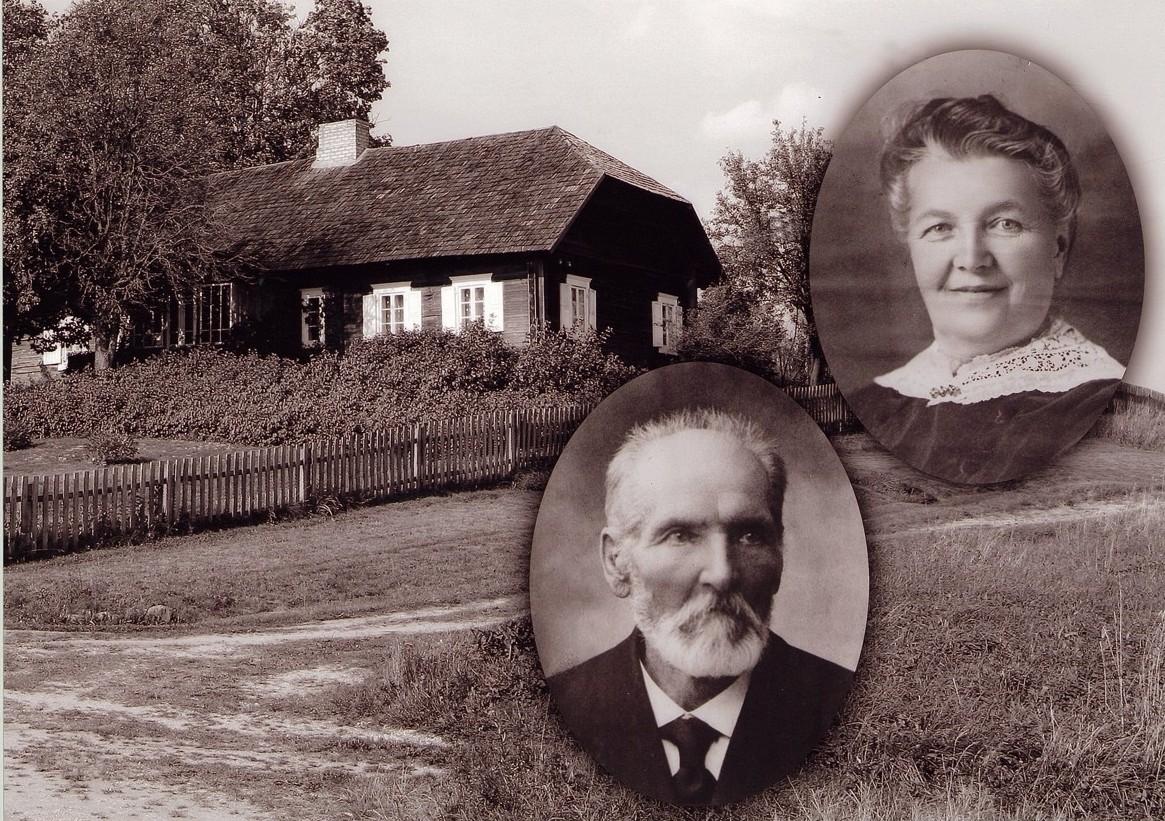
Stanislovas Didžiulis was born on November 26, 1856 in Griežionėlės (Anykščiai district), into a family of small wealthy landowners. Although he was of noble origin, he did not boast of it, only some books were marked with the initials of his full name SFGOD (Stanislaw Feliks Giedgowt Oszmianski DydziulHe studied at the Panevėžys Gymnasium, and after it was closed after the uprising, he continued his education privately with the Andrioniškis priest Antanas Viskantas. It was this priest who encouraged the young man to love books about Lithuania and Lithuanian writings.
Around 1870, S. Didžiulis began to accumulate a personal library. During the years of the press ban, he accumulated the largest Lithuanian library in the Lithuanian provinces, which consisted of over 1,000 legal and secret books of different titles. It was used by the intellectuals of the time: Jonas Basanavičius, Jonas Jablonskis, Vincas Mickevičius-Kapsukas. S. Didžiulis also compiled bibliographical indexes of the Lithuanian press, collected folklore, and wrote down folk songs.
At the end of the 19th century, the Didžiuliai manor in Griežionėlės became the center of illegal Lithuanian printing and booksellers. S. Didžiulis closely collaborated with Jurgis Bielinis, Kazimieras Ūdra and other booksellers, distributing banned publications. Due to complaints from a neighbor, gendarmes constantly searched his house, but a special three-compartment cabinet constructed by master Stasys Jasevičius helped preserve the banned publications. This is the only authentic book hiding place in Lithuania that has survived to this day.
Didžiulis was active in the press – he wrote for "Aušra", "Varpa", "Žemaičių ir Lietuvos apžvalgė", signing himself under the pseudonyms P. Mažulis and J. Mažuolis. In addition, having gained legal experience, he consulted and defended the peasants of the area for free.
Political activity and exile
In 1905, S. Didžiulis participated in the Great Vilnius Seimas, later became involved in revolutionary activities, and set up an underground printing house in Griežionėlės. In 1906, during a search, officers found a printing machine and anti-tsarist appeals. For this, S. Didžiulis and his sons were arrested. In 1908, the court deprived him of his nobleman's rights and sentenced him to life in exile.
He spent 1909–1917 in exile in Siberia (Irkutsk and Yenisei governorates), where, even in difficult conditions, he continued to collect Lithuanian books. After his release after the 1917 revolution, he lived for several years in Yalta (Crimea), where his health deteriorated significantly.
Family and the end of life
In 1877, S. Didžiulis married the writer Liudvikas Nitaitė (Didžiulienė-Žmona). The family raised eight children who became well-known Lithuanian doctors, educators, writers, and public figures.
In 1924, already seriously ill and unable to control his limbs, S. Didžiulis returned to Lithuania. He spent his last years in his native Griežionėlės, under the care of his eldest daughter Ona Sketerienė. He died on May 19, 1927, and was buried in the Padvarninkai cemetery. A monument created by sculptor Bernardus Bučas stands on his grave – a broken oak trunk.
Huge, photo by Arūnas Aviža, 2009